This is default featured slide 1 title

Go to Blogger edit html and find these sentences.Now replace these sentences with your own descriptions.

This is default featured slide 2 title

Go to Blogger edit html and find these sentences.Now replace these sentences with your own descriptions.

This is default featured slide 3 title

Go to Blogger edit html and find these sentences.Now replace these sentences with your own descriptions.

This is default featured slide 4 title

Go to Blogger edit html and find these sentences.Now replace these sentences with your own descriptions.

This is default featured slide 5 title

Go to Blogger edit html and find these sentences.Now replace these sentences with your own descriptions.

Why the kidneys of parathyroid hormone will be high it

Author: Leo
Key words: nephropathy
Introduction
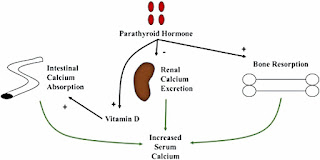
I believe that small partners have heard the thyroid, but today we have to say is not the thyroid, but with the thyroid has a word, with the health of the kidneys are closely related to the parathyroid gland. Parathyroid hormone may not understand what is meant We are here today to discuss this issue.
1, parathyroid hormone, what does that mean?
Not all kidney friends should check this indicator. But to the chronic kidney disease 3, that is, after renal insufficiency, you need to start monitoring the project.
To figure out the increase in the index, we have to figure out what it is doing.
Calcium and phosphorus
Parathyroid hormone secreted by parathyroidism, mainly used to maintain the balance of our body!
Blood phosphorus to become high, and blood calcium to reduce!
When the renal insufficiency, calcium and phosphorus will begin to appear signs of disorder.
See this chaotic scene, in charge of calcium and phosphorus balance of the parathyroid first sit still. Began to work overtime secretion of parathyroid hormone, so that the chaos of calcium and phosphorus back on track! This time, patients check the parathyroid gland this indicator can be elevated!
In the early days, although parathyroid hormone (PTH) increased a little, but it is useful for overtime, calcium, phosphorus basic listen to it, can be maintained at the normal level, the overall security.
However, this parathyroidism overtime secretion of parathyroid hormone, a great price! At the beginning of the parathyroid gland is also normal, a long time, more and more morbid parathyroidism, began to proliferate.
Secondary hyperparathyroidism.
These conditions, that is, doctors often say
On the other hand, calcium and phosphorus do not listen to morbid thyroid hormone, more and more uncontrolled, hyperphosphatemia, hypocalcemia.
Patients not only increased parathyroid (PTH), calcium, phosphorus are not normal, the whole becomes chaotic.
The result of chaos is:
Renal bone disease
Calcium phosphate itself is deposited in the bones, and because of their three confusion, dragging each other behind the legs, kidney disease patients began to have problems. Patients with bone pain, skeletal deformity, easy to fracture, height retreat, height can be reduced from 1.7 meters to 1.5 meters, that is, we said.
And calcium and phosphorus is not honestly in the bones, deposited to other places should not be deposited, will lead to other parts of calcification, loss of function. Deposition to the blood vessels, vascular calcification; deposition to the skin, skin painful nodules, ulcers; deposition to the heart, causing myocardial calcification, valvular calcification.
And this process is not a serious injury in the kidney after all of a sudden, but slowly, little by little, erosion of the health of patients with kidney disease.
2, renal dysfunction should pay attention to the level of PTH, calcium and phosphorus
It is because of renal insufficiency after the occurrence of such a problem, if the time is prolonged, will seriously damage the health of patients, we must guard against it.
When do you start to focus on these indicators?
1) renal function 3: calcium and phosphorus every 6-12 months to check once, PTH can be based on the level of normal and renal function of the decision.
2) renal function 4: calcium and phosphorus every 3-6 months to check once, PTH every 6-12 months to check once.
3) renal function and dialysis: blood calcium and phosphorus every 1-3 months to check once, PTH every 3-6 months to check once.
In other words, if the renal function of the kidney has been to 3 and later, then check the test indicators, you have to focus on the parathyroid (PTH), blood calcium, blood phosphorus these.
3, if abnormal, what countermeasures?
1, appropriate low-phosphorus diet. Food additives in the high and high phosphorus, and very easy to absorb, then the food containing more additives to eat as much as possible, such as beverages, processed meat products, quick-frozen food, fast food, frozen baking goods.
2, the doctor may be based on the condition, the use of some drugs, such as active vitamin D, calcium, phosphorus binding agent.

3, if these traditional methods have no effect, there are still serious hyperparathyroidism, there may be parathyroid surgery resection.

Email:kdtinchina@yahoo.com

whatsapp:008615931093124

our website:

http://www.diabetickidney-china.com/kidney/index.html

Urine normal proteinuria and occult blood plus enough accurate

Author: Leo
Key words: nephropathy


Introduction
Many of our friends are used to describe the severity of proteinuria and hematuria with the addition and subtraction to describe, for example, my proteinuria 3 + is not very serious? My occult blood 3 +, is not it very serious? In fact, ask, the doctor is difficult to answer. Than the addition and subtraction, nephrologist doctors pay more attention to what is it? This one of the doorway, explain to you!
Urinary protein plus or minus can not accurately reflect the severity of proteinuria?
Urine routine examination, urine protein can be displayed as: - (negative), ± (trace), 1 +, 2 +, 3 +, 4 +.
We usually take it for granted that the more signs, the more severe the degree of proteinuria, but the actual situation is not the case.
This is because the urine of the protein in the addition and subtraction, can only reflect the urine of the urine of the urine of the prescription concentration, and this concentration will be affected by the amount of water, urine volume.
Make a simple example: a person in the drink more, how did not sweat, urine a lot of time, then the proteinuria concentration is low, check out the plus sign will be less. And when he drink less, sweating and more, less urine when the concentration is high, check out the plus sign will be more.
This is why we will see such a mismatch in the clinical phenomenon: Some people check urine routine, although the urine protein 1 +, but the actual than the urine protein 2 + serious, check out the protein than others plus the number of people More!
Therefore, the doctors of renal medicine will require patients to check the 24-hour urine protein quantitative check, the purpose is to see the whole day of urinary protein excretion, this value is the overall response to the severity of urine protein.
24 hours of proteinuria can generally be roughly divided into: mild, moderate, severe proteinuria.
Mild proteinuria: less than 1g / 24 hours
Moderate proteinuria: 1g ~ 3.5g / 24 hours
Severe proteinuria: greater than 3.5g / 24 hours
Let's talk about occult blood!
Occult blood does not see the addition and subtraction, see red blood cells
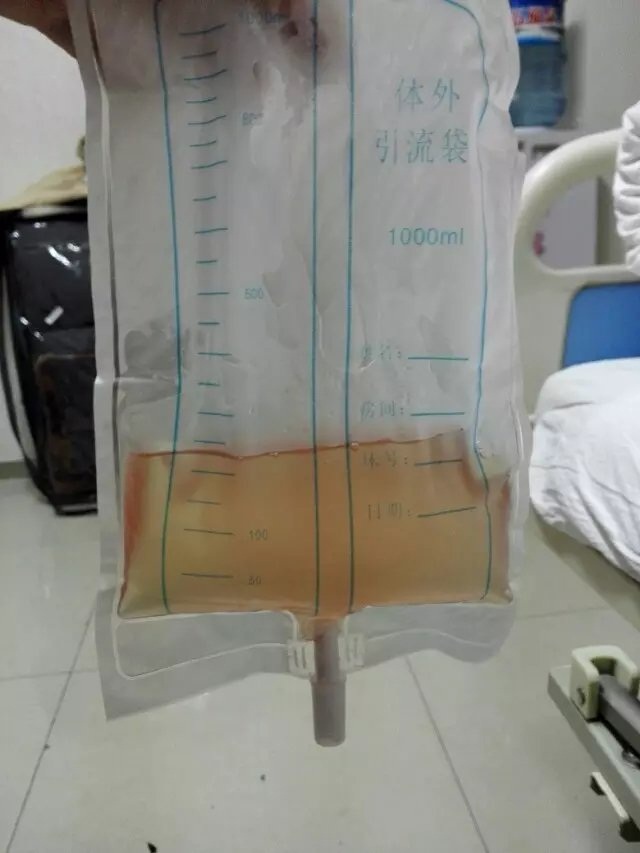
Occult blood (occult blood) to see the addition and subtraction is not accurate, when you ask the doctor occult blood a few plus time, the kidney physician will "dislike" such inaccurate argument, because many people's occult blood is false positive. For example, if the test before taking iron medications, animal blood, liver, lean meat, a lot of green vegetables, etc., are likely to cause this positive results.
In other words, the occult blood plus a sign does not mean that there is hematuria
What about the doctor?

Look at the number of red blood cells microscopic examination, microscopic examination of red blood cells greater than 3 / HP can be called hematuria.

Email:kdtinchina@yahoo.com

whatsapp:008615931093124

our website:

http://www.diabetickidney-china.com/kidney/index.html
Protect the kidneys

Author: Leo
Key words: nephropathy

Introduction
Kidney is an important organ of the human body, its basic function is to generate urine, excretion of metabolites and harmful substances, regulating blood pressure and so on. Therefore, in the daily life of kidney care kidney is very important.
First, adjust the diet
Drink plenty of water, add vitamin B6, reduce walnut, spinach, chocolate and other food intake, can effectively reduce the urine calcium oxalate production, reduce the possibility of kidney stones; eat fungus, mushrooms and other black food, you can Effectively promote the metabolism of the kidney function, reduce the accumulation of water in the kidneys; diet light, eat more foods rich in vegetable protein such as some beans, but also help protect the kidneys.
Second, sports health care
Walking, jogging, doing aerobics, playing tai chi and other sports, as long as perseverance, will be able to achieve the purpose of healthy kidneys; old, shortness of breath, the infirm through the strong kidney exercises and the appropriate massage of the waist and soles of the feet, Can also achieve kidney, Gujing, strong waist and knee, through the meridian purposes.
Third, observe the urination
Such as nocturnal enuresis may be early symptoms of renal insufficiency, avoid holding back urine, if there is obstruction of the urethra, urine is not smooth, will increase the burden on the kidneys, treatment is not timely may lead to nephritis.
Fourth, disease prevention kidney
Prevention of common diseases that may cause kidney disease: upper respiratory tract infections, hypertension, diabetes, obesity. Upper respiratory tract infection, especially pharyngeal inflammation, is often the main cause of nephropathy, should be early prevention; high blood pressure to long-term renal hypertension and hardening, damage to kidney function; obesity will increase the burden on the kidneys, resulting in renal damage; , 30% of patients with diabetes will develop into uremia.
Fifth, control medication

Medication to look at the instructions before, most of the drugs are marked with the amount and whether there is nephrotoxicity or contraindications, including all kinds of painkillers and gentamicin, kanamycin, sulfonamides and other antibiotics are harmful to the kidneys , Especially the elderly, renal dysfunction are more vulnerable to drug damage.

Email:kdtinchina@yahoo.com

whatsapp:008615931093124

our website:

http://www.diabetickidney-china.com/kidney/index.html

Prevention of kidney stones, should pay attention to a few points
Author: Leo
Key words: nephropathy

Introduction
In today's society, the incidence of kidney stones remains high, public information shows that every 20 Chinese people, there is a possible suffering from kidney stones. So how can we find early kidney stones? In life, how should we prevent the occurrence of kidney stones?
Self-test: Do you have kidney stones?
If the body has the following symptoms, may prompt kidney stones:
Body side or lower abdomen pain
Hematuria (urine is pink or red)
Nausea or vomiting
Dysuria
Urine urgency
In life, how to prevent kidney stones?
1, to ensure adequate drinking water
Especially in summer and at night, must be stressed before going to bed drinking water, and drinking water again in the middle of the night. It is best to drink less mineralized mineral water to ensure that the daily drinking water more than 2500ml to dilute the urine, reduce the crystal precipitation, rinse the urinary tract and discharge small stones.
2, reasonable calcium
Especially dietary calcium calcium stones in patients often "talk about calcium color change", mistakenly believe that the culprit is the calcium of calcium, it is not true, kidney stones patients also need calcium.
Specific calcium recommendations, we must consult a professional physician Oh!
3, limited intake of carbohydrates
The latest study by scientists in the United States shows that the intake of high-sugar foods, the increase in the body can increase the chance of suffering from kidney stones, so pay attention to eat less sweets.
4, eat less high content of oxalate foods
High herbicides are tomatoes, spinach, strawberries, beets, chocolate, etc., too high oxalate intake is also one of the main causes of kidney stones.
5, eat less soy products
Soybean food contains oxalates and phosphates are high, with the kidneys in the calcium fusion, the formation of stones.
6, before going to bed drink milk
Do not sleep well, drink a cup of milk before going to bed to help sleep. But after sleep, urine volume decreased, concentrated, urine in a variety of tangible substances increased. And drink milk after 2 to 3 hours, it is calcium through the kidney excretion of the peak. Calcium through the kidney in a short period of time suddenly increased, easy to form stones. So kidney stones patients, before going to bed should not drink calcium high milk.
7, do not take excessive cod liver oil

Cod liver oil is rich in vitamin D, promote the absorption of calcium and phosphorus on the function of the intestinal membrane, a sudden increase in the excretion of calcium and phosphorus in the urine, is bound to produce precipitation, easy to form stones.

Email:kdtinchina@yahoo.com

whatsapp:008615931093124

our website:

http://www.diabetickidney-china.com/kidney/index.html

Which patients should not do kidney puncture

Author: Leo
Key words: nephropathy

Introduction
Kidney puncture is a clear diagnosis of renal disease, to guide the treatment, to determine the prognosis of the most valuable means of inspection.
Renal biopsy
The clinical manifestations of various kidney disease is nothing more than edema, proteinuria, hematuria, etc., but can not be clear what kind of kidney disease, or systemic diseases involving the kidneys. The severity of kidney disease and proteinuria, hematuria and other manifestations of the severity is not parallel to the subjective symptoms of patients with kidney disease is often very unreliable. Therefore, through renal biopsy diagnosis of pathological examination in order to accurately determine the type of disease, nature and extent.
Second, through renal biopsy pathological examination, the disease may be the outcome of the outcome and the development of a more accurate prediction. The diagnosis of renal biopsy can provide an important basis for the clinical development of treatment programs and correction of treatment regimens. According to the different pathological types to decide, with clinical symptoms and physician experience will be a great error.
Therefore, renal biopsy is a clear diagnosis of renal disease, to guide the treatment, to determine the prognosis of the most valuable means of inspection.
What is the risk of kidney puncture?
Many people are worried that kidney puncture is harmful, so afraid or refused to do kidney puncture. In fact, this fear of renal puncture is not entirely unreasonable. However, because of fear of kidney puncture and refused to do this check on some extreme. Doctors are in the full control of the patient's condition, according to indications and contraindications to determine whether patients with renal biopsy.
Although the renal puncture surgery has a certain risk, but if you can strictly control the indications and methods of operation, the incidence of complications is low. Common complications are:
Hematuria: hematuria for renal biopsy the most common complications, puncture after about 80 ~ 90% microscopic hematuria, the incidence of gross hematuria due to puncture needle damage varies, accounting for about 5-50%. General hematuria in 1 to 5 days to disappear, without treatment, no effect on the patient's kidneys.
Low back pain: renal puncture, the majority of patients with ipsilateral low back pain or discomfort, about 3-5 days to disappear, a small number of patients can last a long time.
Infection: infection after puncture, mostly because of the aseptic concept, or the original kidney infection caused by the spread of bacteria after puncture. Thus in the renal puncture, it should be strictly disinfected, the correct grasp of the operation method, the rational use of anti-vaccine to prevent infection.
Hypotension: blood pressure continued low after puncture, mostly due to bleeding or nephrotic syndrome in patients with insufficient blood volume caused.
Oliguria or anuria: oliguria often have low blood pressure, corrected blood pressure after urine output increased, and some cases due to clot obstruction, visible renal colic, blood clots discharged, the symptoms can be lifted.
Tissue injury: the general renal puncture on the renal tissue injury slightly, but because of the puncture point positioning Diao; accurate, but also mistakenly penetrate the liver, spleen, gallbladder or bowel, and cause complications.
Renal hematoma: due to kidney blood supply rich, renal pressure and low, so easy to puncture blood bleeding, the formation of asymptomatic small hematoma, the incidence of about 0.5-1.5%, 3 months after the disappearance The
In the human body two kidneys, about 100 million nephrons, and kidney puncture only take 15 to 30 nephrons, is insignificant, and test blood is the same reason. In addition, the kidney has a good reserve capacity and repair capacity, puncture needle can quickly hemostasis repair.
Kidney biopsy used puncture equipment and puncture technology has been improved, and now all aspects have been quite mature. The most commonly used method is in the real-time under the guidance of color Doppler ultrasound automatic biopsy marksmanship, puncture the doctor can see the blood vessels on the screen area of ​​the kidney, the button board machine can be completed, puncture quickly, safe and reliable, high success rate.
Which patients should not be used for renal puncture
Clinically, the following diseases can be classified as not suitable for renal puncture areas:
Chronic renal failure in patients with renal biopsy when the greater risk, easy bleeding, is now considered a contraindication to puncture.
Contralateral renal dysfunction, in order to prevent complications, renal function loss leading to renal failure, should avoid contralateral renal puncture.
Isolated kidney and renal aneurysm, in order to prevent bleeding, not for renal biopsy.
Renal tumors, renal cysts, hydronephrosis, renal abscess, renal infectious lesions, in order to prevent tumor spread, inflammation, so there is no need for puncture.

Malignant hypertension, anemia, patients with significant bleeding tendency, mental disorders and systemic failure, should not be kidney puncture.

Email:kdtinchina@yahoo.com

whatsapp:008615931093124

our website:

http://www.diabetickidney-china.com/kidney/index.html

Is kidney cyst and polycystic kidney

Author: Leo
Key words: nephropathy

Introduction
Many people think that polycystic kidney and kidney cyst is one thing. In fact, polycystic kidney is a kind of renal cysts, common renal cysts also contain simple renal cysts and acquired renal cysts. In terms of range, kidney cysts cover a lot. But the two are still different in varying degrees.
Renal cysts and polycystic kidney disease
Let us know from the various aspects of the similarities between the two similarities:
Renal cysts, is the kidneys appear outside the cystic lesions are not connected to the general term, that is, kidney cystic disease. In the end is congenital or acquired, is not clear. May be similar to polycystic kidney disease, but the degree of different. The cause of the following: 1, congenital dysplasia 2, all kinds of infections, 3, toxins, 4, non-hereditary gene mutation, 5, diet, 6, work and fall, 7, emotional factors, 8, pregnancy
The polycystic kidney of the predisposing factors include only the first three. There are two types of autosomal recessive genotype (infant type) polycystic kidney disease, the clinical rare; autosomal dominant genotype (adult type) polycystic kidney disease, often associated with middle-aged youth.
Both clinical manifestations are also very similar:
(1) have waist discomfort or pain
(2) are expressed as microscopic hematuria or gross hematuria;
(3) There are lumps in the abdomen
(4) are accompanied by high blood pressure
Renal cysts may sometimes be associated with proteinuria, and polycystic kidney disease with some patients with renal colic performance and frequent urination, urgency and other discomfort.
The difference between the two:
First, the etiology and pathogenesis: polycystic kidney disease is an autosomal genetic disease, multiple renal cysts can be congenital (embryonic formation), but trauma, inflammation, cancer and other causes.
Second, the family history: polycystic kidney family members have similar patients, multiple patients with renal cysts often no similar patients in the family.
Third, the capsule contents: polycystic kidney is the urine, multiple renal cysts are body fluids (like plasma) which contains red blood cells and so on.
Fourth, complications and hazards: polycystic kidney disease can occur hematuria, high blood pressure, edema, renal insufficiency, uremia, multiple renal cysts generally do not appear high blood pressure, renal insufficiency and so on.
5, polycystic kidney disease can control the development of capsule to eliminate symptoms, multiple renal cysts control or narrow the capsule, the smaller can be eliminated.

Above no matter the kind of disease, should go to the hospital as soon as possible, a variety of kidney disease due to different causes of disease, different course, treatment is not the same. At the same time to control high blood pressure, you can take some antihypertensive drugs. Life should pay attention to changes in temperature at any time to reduce clothes, prevent colds and a variety of infections. Diet on the intake of high-fiber, high-dimensional food, such as whole grains, fresh vegetables, lean meat, eggs, milk, fish and so on. At the same time to avoid alcohol and tobacco, eat less spicy, fried food, and to exercise properly to increase their immunity, but also pay attention to work and rest.

Email:kdtinchina@yahoo.com

whatsapp:008615931093124

our website:

http://www.diabetickidney-china.com/kidney/index.html

Hypokalemia nephropathy

Author: Leo
Key words: nephropathy

Introduction
Hypokalemia nephropathy is caused by chronic hypokalemia caused by potassium deficiency kidney disease. Various causes of urinary potassium excretion is the most important cause of hypokalemia, collectively referred to as renal hypokalemia. In addition to the performance of patients with hypokalemia, often accompanied by metabolic acidosis or metabolic alkalosis. Hypokalemia with metabolic acidosis when most of the normal blood pressure, metabolic alkalosis associated with hypokalemia patients are mostly high blood pressure.
Hypokalemia nephropathy
Hypokalemia nephropathy is caused by chronic hypokalemia caused by potassium deficiency kidney disease. Various causes of urinary potassium excretion is the most important cause of hypokalemia, collectively referred to as renal hypokalemia. In addition to the performance of patients with hypokalemia, often accompanied by metabolic acidosis or metabolic alkalosis. Hypokalemia with metabolic acidosis when most of the normal blood pressure, metabolic alkalosis associated with hypokalemia patients are mostly high blood pressure.
The causes of hypokalemia are: lack of potassium intake; loss of too much (loss of digestive tract and loss of urine); a variety of diuretics and steroid application; chronic kidney disease, such as renal tubular acidosis, Bartter synthesis Levy, Liddle syndrome, renin-secreting tumor, Cushing's syndrome and hydroxylase deficiency disease. Non-renal hypokalemia potassium excretion did not increase, due to various causes of cell potassium increased, but also one of the common causes of hypokalemia.
The performance of hypokalemia nephropathy is mainly renal tubular dysfunction, mainly to reduce the concentration of the main, manifested as polydipsia, polydipsia, polyuria, nocturia increased, and even renal diabetes insipidus, the vasopressin reaction is not Good; urine associated with a small amount of proteinuria and tube; potassium loss can cause metabolic alkalosis; renal interstitial damage, due to renal tubular acidosis dysfunction and metabolic acidosis. The disease is complicated by pyelonephritis, the clinical manifestations of urinary tract infection; with the progress of the disease gradually appear chronic renal insufficiency. In addition to kidney disease symptoms, the patient's overall performance mainly hypokalemia symptoms, such as limb muscle weakness, intestinal paralysis, soft paralysis, tendon reflexes, arrhythmia and so on.

1. Urine examination
Visible urine protein and tube type, concurrent infection see more white blood cells. Urine dilution test showed decreased concentration of urine, decreased urine specific gravity (phenol red and reduced excretion rate of aminaruturic acid), increased urinary prostaglandin E.
2. Blood test
Early serum creatinine and urea nitrogen can be normal; with the progress of the disease renal failure, serum creatinine and urea nitrogen levels increased. Characteristics of changes in serum potassium decreased, often accompanied by hypochloremia. Blood gas analysis prompted more metabolic alkalosis.
3. renal biopsy and imaging examination

The characteristic structural changes associated with potassium loss were vacuolar degeneration, renal interstitial inflammation and fibrosis and tubular cystic lesions in the epithelium of the tubules.

Email:kdtinchina@yahoo.com

whatsapp:008615931093124

our website:

http://www.diabetickidney-china.com/kidney/index.html